
Artist, lecturer and teacher Ronnie Ireland gave an engaging talk on how artists have been inspired by interiors, encouraging us to think about rooms and the people who inhabit them. He explored four paintings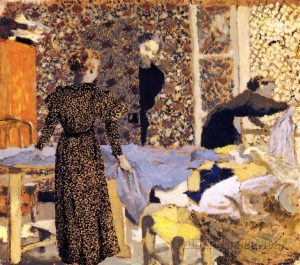 by very different artists from different periods, each offering a unique perspective on interior spaces.
French painter Édouard Vuillard (1868–1940) created works built from rich colour, pattern and form. His painting The Suitor (1893) depicts a room in his own home, reflecting the colourful fabrics and designs that surrounded him through his mother’s work as a corsetière and dressmaker.
Johannes Vermeer (1632–1675), the Dutch master of the 17th century, specialised in domestic interior scenes of middle-class life. Using rooms within his own home as settings, he created carefully composed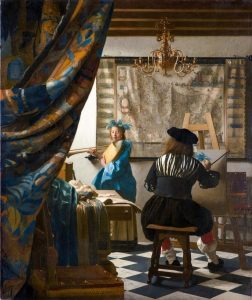 images that demonstrated both artistic skill and cultural refinement. He is particularly renowned for his mastery of light.
The Flemish painter Jan van Eyck (c.1390–1441) was celebrated for his innovative use of oil paint. Working under the patronage of Philip the Good, Duke of Burgundy,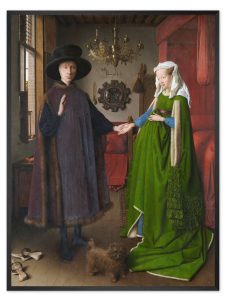 he painted both religious and secular subjects. In The Arnolfini Portrait, every object in the room has been carefully chosen to proclaim the wealth and status of the merchant and his wife.
American artist Edward Hopper (1882–1967) painted uncluttered scenes charged with atmosphere and emotional resonance. In works such as The Office (1940), he used strong diagonals and few restful horizontals to create tension and mood. Remarkably, Hopper’s technique remained consistent throughout his career.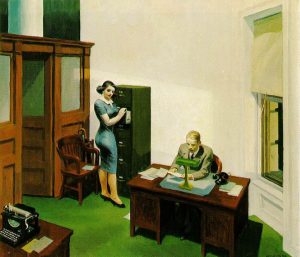
Ronnie encouraged us to look beyond the surface of these paintings and consider our role as viewers. In each image, we become voyeurs, peering into a private space and a moment in someone’s life. How do we experience the room? What do we notice about its décor and occupants? What draws us to look more closely? It was a thought-provoking way to encourage a more curious and critical eye.
Liz Beecheno